



Beautiful, well-groomed hair starts not only with proper care, but also with internal balance. If your hair has started to fall out more, lost its shine and density, the cause may lie not only in your routine but also in vitamin deficiencies. To restore strength, thickness, and a healthy shine, find out on Joy-pup which vitamins your body may be lacking.
Why hair starts to fall out
Hair loss is a signal that should not be ignored. If your hair is noticeably thinning, becoming dry and dull, your body is most likely lacking key nutrients such as vitamin D, iron, ferritin, or zinc. The body prioritizes vital functions first, while hair, skin, and nails are supported last. No external care will provide lasting results if the issue comes from within.
Even thinning across the scalp, brittle nails, fatigue, and dry skin are reasons not just to change your shampoo, but to get checked and identify the cause. It’s worth reviewing your diet: add more protein, vegetables, and healthy fats. If hair loss continues, get tested and choose a recovery plan that targets the cause rather than the symptoms.
Vitamins for hair loss
Vitamin D
Vitamin D plays an important role not only in immunity and bone health, but also in hair condition. It is involved in the functioning of hair follicles, and its deficiency may be linked to increased hair shedding and weakened growth.
In autumn and winter, vitamin D levels often drop due to reduced sunlight. If you rarely spend time outdoors, feel fatigued, and notice increased hair loss, this deficiency may be the cause.
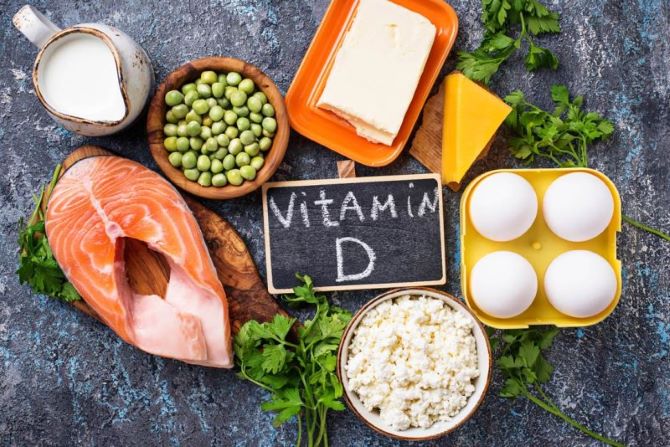
What helps: include fatty fish, eggs, and mushrooms in your diet, and if necessary, consult your doctor about taking vitamin D supplements.
Iron
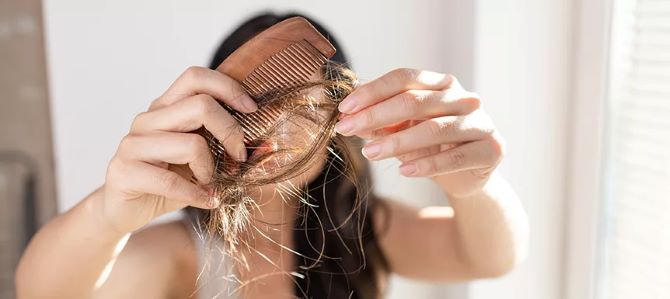
Low iron levels are one of the most common causes of hair loss in women. Iron is essential for transporting oxygen to cells, including hair roots. When hair follicles receive less oxygen and nutrients, hair becomes weaker, grows more slowly, and falls out more quickly.
It is especially important to monitor iron levels for women with heavy menstrual cycles, after strict diets, with chronic fatigue, or a tendency toward anemia.
What helps: add red meat, liver, legumes, spinach, buckwheat, and other iron-rich foods to your diet. For better absorption, combine them with vitamin C.
Zinc
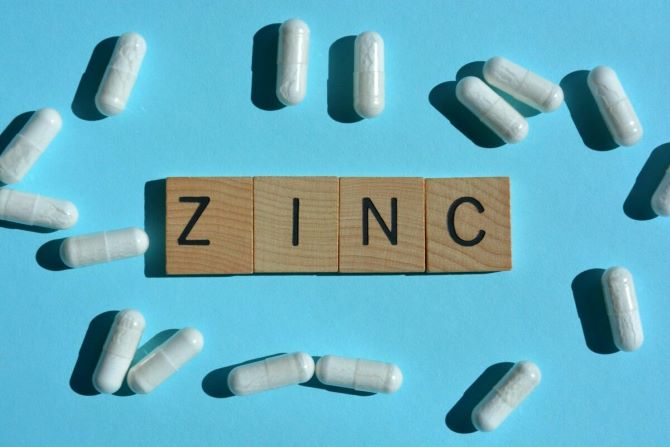
Zinc is involved in tissue repair, cell growth, and protein synthesis. For hair, this is especially important because these processes determine strength, elasticity, and normal growth.
If there is a zinc deficiency, hair may become brittle, thinner, and lifeless. In addition, this mineral affects scalp health, which in turn influences the overall appearance of the hair.
What helps: include nuts, seeds, eggs, and dairy products in your diet more often, and make sure your nutrition is varied.


Only registered users can leave comments