

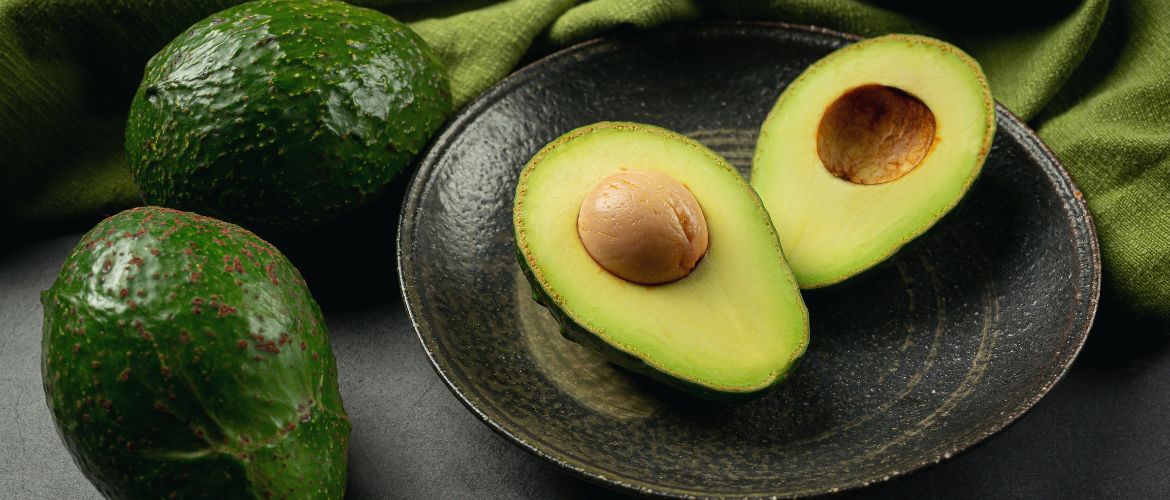


High nutritional value, mild flavor, and a creamy texture have made avocado popular among supporters of a balanced diet. This fruit is often called “green gold” due to its unique composition and pronounced health benefits. Read on Joy-pup about the beneficial properties and uses of avocado.

Rich Composition: Vitamins, Minerals, and Antioxidants
Avocado stands out for its impressive range of vitamins and micronutrients. It contains vitamins K, C, E, and B-complex vitamins, including folic acid, which is essential for cell renewal and normal blood formation. The presence of vitamin E provides antioxidant protection, helping to slow down the aging process, while vitamin C supports the immune system and participates in collagen synthesis.
Among the minerals in avocado, potassium takes the lead — its content is higher than in many traditional sources of this mineral. Potassium regulates blood pressure, supports heart muscle function, and helps maintain water-salt balance. Magnesium and copper complement the mineral profile, supporting the nervous system and blood formation.
Healthy Fats and Heart Support
A key feature of avocado is its high content of monounsaturated fatty acids, primarily oleic acid. Unlike saturated fats, they have a beneficial effect on the cardiovascular system. Regular consumption of avocado helps reduce low-density lipoprotein levels and maintain healthy cholesterol balance in the blood.
Regular intake of avocado is associated with a lower risk of atherosclerosis and cardiovascular diseases. The fiber, which this fruit is rich in, additionally helps normalize cholesterol levels and improve intestinal function.

Weight Control: How Avocado Helps with Weight Loss
At first glance, avocado may not seem like the best choice for those watching their figure — its calorie content is relatively high. However, nutritionists take a different view. The combination of fiber and healthy fats creates a lasting feeling of fullness, which helps reduce overall daily calorie intake without painful hunger.
The monounsaturated fats in avocado can accelerate resting metabolism and stimulate lipolysis — the breakdown of fats. This makes avocado a valuable ally in a balanced diet aimed at reducing body fat while preserving muscle mass.
Benefits for Skin and Hair
The nutritional properties of avocado are reflected not only in internal health but also in appearance. Antioxidants and fatty acids help maintain skin elasticity and protect it from the effects of free radicals. Vitamins C and E participate in collagen synthesis and protect cells from oxidative stress, positively affecting skin tone and hydration.
Avocado oil is widely used in hair care. Thanks to its ability to deeply penetrate the hair structure, it helps strengthen hair, reduce breakage, and support scalp health.
Immune System Support
Avocado is a reliable ally of the immune system. Carotenoids and vitamin E neutralize oxidative stress and strengthen cell membranes. Vitamin C stimulates the production of leukocytes — the body’s main defenders against pathogens. The combined action of these nutrients increases resistance to viral and bacterial infections, especially during seasonal outbreaks.
Natural Antidepressant
Avocado contains tryptophan — an amino acid involved in the synthesis of serotonin (“the happiness hormone”). This neurotransmitter plays an important role in regulating mood and emotional state. A diet rich in tryptophan is associated with reduced symptoms of anxiety and depression, improved sleep quality, and overall psychological well-being. Thus, avocado supports not only the body but also the mind.
Read also: snacks that hinder weight loss.



Only registered users can leave comments