

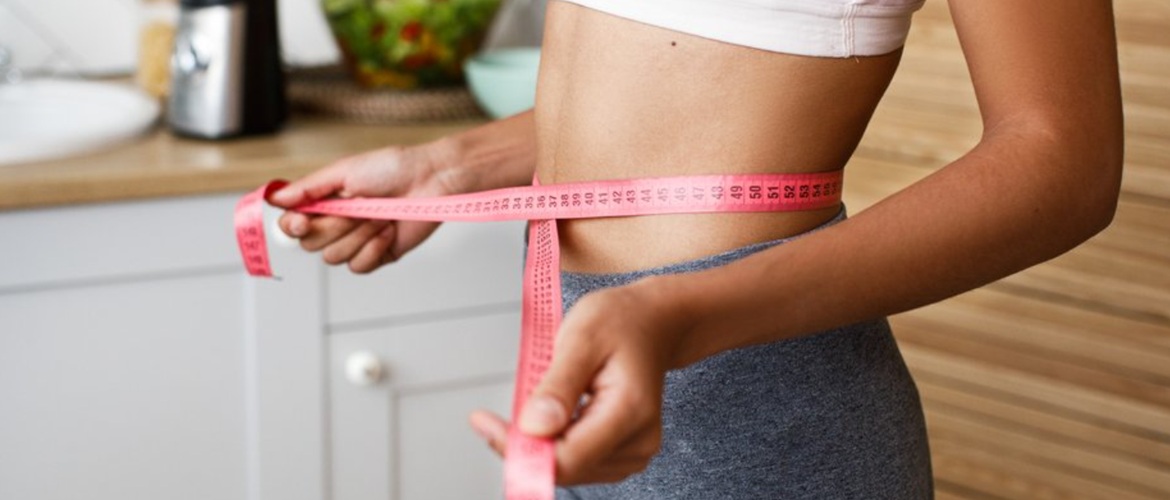
After 30, your body begins to function a little differently: your metabolism slows, your hormonal levels change, and belly fat accumulates faster. Even if you eat “as usual,” your results may not be the same. To get a flat stomach, it’s important not only to add healthy foods but also to eliminate those that hinder your body’s shape. We at joy-pup will analyze the 5 most problematic foods.
Sugary carbonated drinks
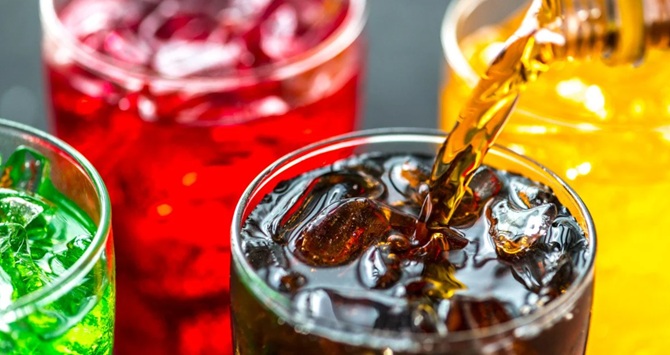
Soda is one of the main enemies of a flat stomach. It contains a lot of sugar, which quickly turns into fat, especially around the waist. Furthermore, these drinks cause bloating due to gas, which makes your belly appear larger. Even “diet” options don’t help – they can increase appetite and cravings for sweets.
White Bread and Baked Goods
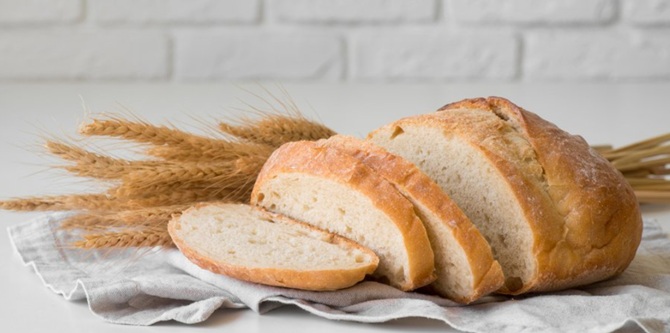
White flour products quickly raise blood sugar levels. This leads to insulin spikes and fat accumulation. After 30, the body is less able to process these carbohydrates, so buns, baguettes, and sweet pastries begin to have a greater impact on your figure. Snacks like “coffee and croissant” are especially dangerous—they provide a lot of calories but are hardly satiating.
Sausages and Processed Meats

Sausages, hot dogs, and other processed foods contain:
- hidden fats
- high amounts of salt
- flavor enhancers
These foods cause water retention, cause swelling, and contribute to an increase in abdominal size. Furthermore, they slow down your metabolism and worsen your overall health.
Alcohol

Alcohol directly affects the accumulation of fat in the abdominal area—hence the term “beer belly.” It:
- slows fat burning
- increases appetite
- disrupts hormonal balance
Even small but regular doses can hinder your efforts to achieve a flat stomach.
Sweets and desserts

Cakes, candies, and cookies are a combination of sugar and fat, which is especially easily deposited in problem areas. After age 30, the body processes excess sugar less effectively, making these foods one of the main causes of belly fat. They also trigger overeating and energy surges: initially a surge of energy, followed by a sharp decline and renewed cravings.
To be continued…



Only registered users can leave comments