

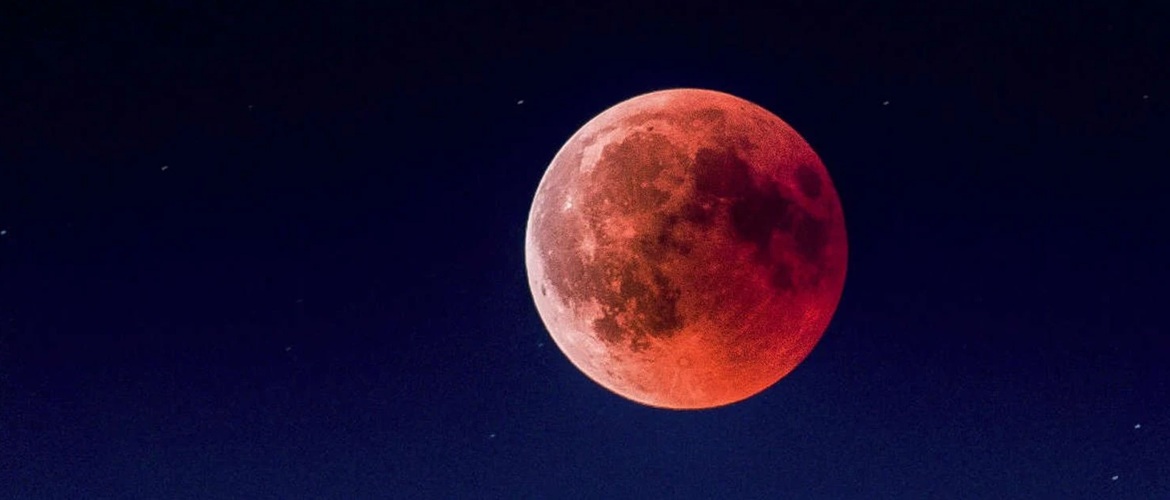


Geologically, the Moon is not a completely “frozen” celestial body. A recent analysis of its surface has shown that Earth’s natural satellite is still gradually shrinking. Astronomers have identified new relief features that indicate ongoing compression and movement of the lunar crust.
Previously, experts determined that over the past 200 million years, the Moon’s radius has shrunk by almost 50 meters. This is due to its internal layers gradually cooling and compacting. New observations confirm that this process has not stopped. An international team of scientists has discovered over a thousand previously undescribed small folded ridges located in dark basaltic plains – the so-called lunar maria. The total number of such structures has reached 2,634.
Such folds and faults are formed by global compression of the moon’s surface. Their age is comparable to lobatate scarps—characteristic cliffs previously discovered in the highlands of the Moon. Ridges and scarps often form a single system, suggesting a common mechanism of origin. The average age of the newly discovered formations is estimated at approximately 124 million years, while the scarps are calculated to be slightly younger—around 105 million years.
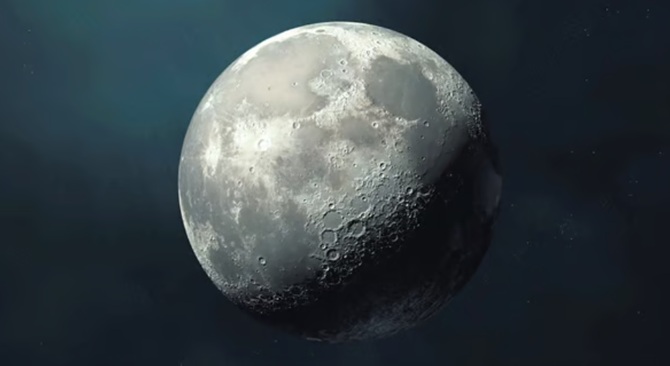
Co-author Tom Watters of the Center for Earth and Planetary Studies emphasized that the new data confirms that the Moon remains tectonically active and continues to slowly shrink. Study leader Cole Naipaver noted that this is the first time such a widespread distribution of such faults has been documented specifically in the lunar maria. This allows for a more comprehensive understanding of the moon’s current tectonic activity. Scientists believe that upcoming space programs will help further study the Moon’s internal structure, the characteristics of its thermal evolution, and the nature of moonquakes. In particular, the Artemis II mission, expected to launch soon, plans to fly a crew around the Moon and collect additional data on its surface and geological processes.
As a reminder, scientists have discovered that comet 3I/ATLAS is ejecting the building blocks of life into space.
To be continued…

Only registered users can leave comments