




With age, the body gradually reduces the production of collagen — a protein responsible for the firmness and elasticity of the skin. However, the aging process can be slowed down by paying attention to nutrition. Properly selected foods help the body maintain collagen synthesis and protect it from breakdown. Learn on Joy-pup how to naturally boost collagen production through proper nutrition.

Collagen and Skin Aging
Collagen forms the basis of the body’s connective tissues and plays a crucial role in skin health. It creates the skin’s structural framework, thanks to which the skin looks smooth and firm. After the age of 25–30, natural collagen production begins to decline, and under the influence of stress, ultraviolet radiation, smoking, and an unbalanced diet, this process accelerates. As a result, the skin loses tone, wrinkles appear, and signs of fatigue become more noticeable. Supporting collagen through nutrition becomes an important part of preventing premature aging.
The body does not absorb collagen directly in the form in which it is found in foods or supplements. For its production, amino acids, vitamins, and trace elements obtained from food are required. If the diet is low in protein, vitamin C, zinc, and antioxidants, collagen synthesis slows down. That is why anti-aging nutrition should focus not only on calorie intake but also on the quality of nutrients.

Protein as the Foundation of Collagen
Protein is the main building material for collagen. Fish and seafood are a true source of youth and beauty. Collagen from fish products, especially skin and bones, is easily absorbed and helps restore tissues. Salmon, tuna, sardines, oysters, and shrimp are not only rich in this protein but also contain omega-3 fatty acids. They enhance the anti-aging effect, improve skin elasticity, and reduce inflammation. Regular consumption of these foods strengthens collagen fibers, making the skin firmer and the joints more flexible.
Vitamin C and Its Importance for Skin
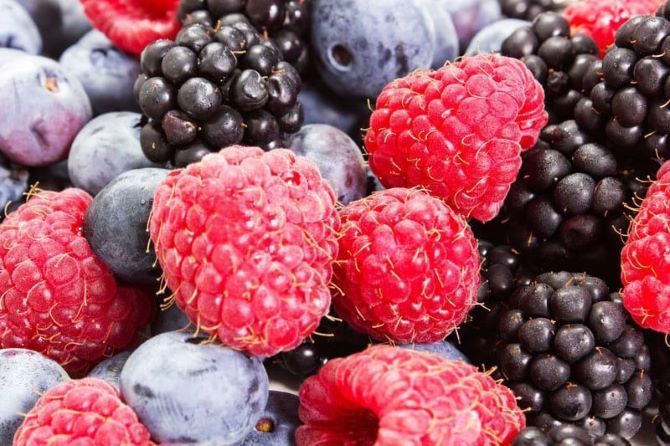
A deficiency of vitamin C is reflected in the skin as a dull complexion, increased dryness, and reduced elasticity. Vitamin C is a key element for collagen synthesis, not just for immune support. It is a powerful antioxidant and an essential cofactor in the process of collagen production. Without it, even with sufficient collagen intake, proper synthesis becomes difficult. Include citrus fruits (oranges, grapefruits, lemons) and berries (strawberries, blueberries, raspberries) in your diet. They not only stimulate natural collagen production but also protect collagen fibers from destruction, giving the skin a healthy appearance and slowing the formation of wrinkles.
Green Leafy Vegetables
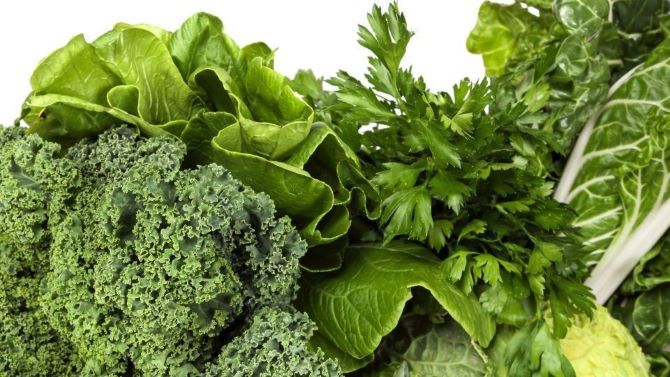
Spinach, broccoli, kale, and arugula are indispensable for an anti-aging diet. They are rich in vitamin K, folic acid, and fiber, which improve digestion, strengthen blood vessels, and promote cell renewal. Chlorophyll adds particular value — a powerful antioxidant and detoxifying agent that stimulates the production of procollagen. This helps maintain skin firmness and elasticity, reduces wrinkles, and improves overall skin tone. Thanks to their complex of vitamins and minerals, these vegetables comprehensively support skin health and the entire body.
Read also: The Health Benefits of Orange Juice: 4 Key Advantages



Only registered users can leave comments